
Sunday, October 27, 2013
Project #14

Blog Post #10
Randy Pausch's last lecture is an inspirational video where Mr. Paush talks about his childhood dreams, how he achieved his dreams and how to enable your dreams and the dreams of others. He describes a "last lecture" as a lecture you would give if you could only give one more before you died (which applied to him because he was diagnosed with pancreatic cancer). This was, in fact, a one of a kind lecture that became an internet sensation which was watched by millions.
Randy tells us about his childhood dreams of being in zero gravity, playing in the National Football League, being an author in the World Book Encyclopedia, being Captain Kirk, working for Disney—and what it takes to achieve them. Something you can learn from Mr. Pausch's Lecture is to never give up.  Through all the road-blocks that came into his life, he still managed to succeed. This is important for us, as educators, to fully grasp. We should never give up; When you give up, you're giving up on your student. Another thing you can learn from this man is to be optimistic, look on the bright side. Whenever one of his "dreams" did not come true, he still took something out of it. This just gives you an all around better attitude, which is necessary for an educator. I found this video to be my favorite of all the ones we've watched in EDM310 so far. I love inspiration, motivation, i just eat it up. Some words of wisdom I learned from Mr. Pausch are: Don't complain, just work harder(great motto for EDM310), Show gratitude, Loyalty is a two-way street, and find the best in everybody. I believe it would truly make a difference if everyone were to grasp these motto's, and they are especially relevant to to "education world".

Sunday, October 20, 2013
Blog Post #9
By: Miriah Grantham, Michelle Detar, and Demetrius Hamner
Back to the Future
Back to the Future is an educational video in which Brian Crosby, a fourth to sixth grade teacher at Agnes Risley Elementary School in Sparks, Nevada, discusses the ways he improves student learning in his classroom. When this video first started It confused us a little. Why? Well Mr. Crosby informed us on the background on his students and just how little they were exposed to. The majority of his class came from low income homes and had very little knowledge of their surroundings. Less than half of his class knew which city, state and country they lived in. This video shows the difference in the knowledge of students from middle-income and low-income schools. He has students use technology to connect with the outside world and learn from it. The students have their own blogs that they use to post their classwork on to meet state standards. Mr. Crosby reinforced the fact that every teacher should be creative, passionate, and imaginative. We learned that you shouldn't judge students on where they come from because with the right methods of teaching every student will be able to become an A+ student. They are more than capable of learning the advantages of technology and utilizing it.
Blended Learning Cycle
Blended Learning Cycle is a video in which Paul Anderson, a high school AP Biology teacher in Bozeman, Montana, teaches us what a blended learning cycle is. A blended learning cycle is a combination of the blended cycle and the learning cycle. The blended cycle consists of three parts: mobile, online and classroom. The learning cycle consists of five parts: engage, explore, explain, expand, and evaluate. An easy way to remember the steps in this cycle is the acronym QUIVERS; Question, Investigate, Video, Elaboration, Review, Summary quiz. Mr. Anderson uses this in his classroom to help his students learn. Each step of this method was to confirm the understanding of the students answer to a driving question. If the student was not able to complete one step of this method, then they were not able to move on to the next step. What can we learn from Mr. Anderson? We learned a new method of teaching. Every good teacher knows to ask a good question. Mr. Anderson’s steps make it easy to make sure students understand your questions. QUIVERS is a method we would use in our classrooms to keep our students engaged and check their understanding
Making Thinking Visible
Making Thinking Visible is a video by Mark Church. He starts by putting his class into small groups. He wants them to think about the topic of human origins. He lets them interpret the topic on their own and create a headline, or question, that helps them start their thinking process. After further discussion of that unit, the students will go back to their headlines and see if their view on the topic has changed. This is a very good method of learning to help students become critical thinkers. What can we learn from Mr. Church? We learned to let students think for themselves. If you pose a question, the students will find a way to answer it. This is a method of learning that we all could use in our classrooms to encourage our students to think critically and learn to combine their thoughts with others as well.
Back to the Future
Back to the Future is an educational video in which Brian Crosby, a fourth to sixth grade teacher at Agnes Risley Elementary School in Sparks, Nevada, discusses the ways he improves student learning in his classroom. When this video first started It confused us a little. Why? Well Mr. Crosby informed us on the background on his students and just how little they were exposed to. The majority of his class came from low income homes and had very little knowledge of their surroundings.

Blended Learning Cycle
Blended Learning Cycle is a video in which Paul Anderson, a high school AP Biology teacher in Bozeman, Montana, teaches us what a blended learning cycle is. A blended learning cycle is a combination of the blended cycle and the learning cycle. The blended cycle consists of three parts: mobile, online and classroom. The learning cycle consists of five parts: engage, explore, explain, expand, and evaluate. An easy way to remember the steps in this cycle is the acronym QUIVERS; Question, Investigate, Video, Elaboration, Review, Summary quiz.

Making Thinking Visible
Making Thinking Visible is a video by Mark Church. He starts by putting his class into small groups. He wants them to think about the topic of human origins. He lets them interpret the topic on their own and create a headline, or question, that helps them start their thinking process. After further discussion of that unit, the students will go back to their headlines and see if their view on the topic has changed.

Sunday, October 13, 2013
Blog Post #8
21st Century Learning and Communicating Tools
My Post
One of the great sites that I stumbled upon was called Tech4Learning. This is a great place that encourages what we are learning in EDM310. It can be accessed by Parents, Teachers, and Administrators. It gives you all sorts of interesting information including “How to create a 21st Century Classroom”. It offers guides of common core standards that must be followed and “award winning” programs to download and use in your classroom. There is also a “connect” tab on the homepage that allows you to connect with other teachers, see lessons, and the work of other students. Another interesting site that I found was called The 21st Century Teacher. Here you can find articles, blogs, and videos that offer tips for 21st century learning. I would use both of these websites as an educator. Not only do they offer you great advice, but they also allow you to connect with other educators from all over and share ideas, which is very helpful for creating your own “21st Century Classroom”.
Michelle's Post
I am currently observing in a third grade classroom for three of my other classes. My mentor teacher, Ms. Williams, told me about some great sites that she uses to get worksheets and activities from. One that she told me about was Teachers Pay Teachers. I created an account with Teachers Pay Teachers so that I could access the tools that it provides. Teachers from all over can sell their original works to other teachers. You can sort your options by grade level, subject, or price. This is a great tool to use when you need extra help on certain subjects. My mentor teacher uses it in reading, because many of the students have a hard time grasping how to find the main idea of a passage. I would use this tool whenever I wanted my students to have a little extra practice on what we have already learned. The prices are cheap, and its quality work that you are buying. Some other great tools that it provides are: bulletin board ideas, classroom decorations, PowerPoints, rubrics, and so much more! Teachers Pay Teachers is an excellent site for teachers in all aspects.
Demetrius' Post
As I searched the internet I came across two very good learning websites. One is called Eduplace and the other one is called Jump Start. Eduplace is a basic site, specifically for second grade, that gives tools to help plan your lesson. It consists of a glossary, manipulative, graphic organizers, and of course games. All these tools are specific for second grade learning. This learning tool could be used often in my classroom mostly for the games and manipulatives. Jump Start has educational resources for pre-K through sixth grade. Some of the resources are games, worksheets, lesson plans, and much more. The movie Madagascar and How to Train Your Dragon are some of the themes used for the different games. Each game is available not only online but on a number of sources like the iPad, Nintendo Wii, Mobile Device, and Nintendo DS. As you can see Jump Start stays up to date on 21st century learning and that is why it grabbed my attention. This is something that I will use in my classroom on a daily basis to reinforce what we have learned or even introduces something new. The many worksheets, lesson plans, and activities will be of great help in my classroom. Each curriculum is based on national and state standards so my students will always be learning efficiently. Jump Start is also a great way to keep my class interactive in learning. This site will help make the boring or more difficult topic fun.
My Post
One of the great sites that I stumbled upon was called Tech4Learning. This is a great place that encourages what we are learning in EDM310. It can be accessed by Parents, Teachers, and Administrators. It gives you all sorts of interesting information including “How to create a 21st Century Classroom”. It offers guides of common core standards that must be followed and “award winning” programs to

Michelle's Post
I am currently observing in a third grade classroom for three of my other classes. My mentor teacher, Ms. Williams, told me about some great sites that she uses to get worksheets and activities from. One that she told me about was Teachers Pay Teachers. I created an account with Teachers Pay Teachers so that I could access the tools that it provides. Teachers from all over can sell their original works to other teachers. You can sort your options by grade level, subject, or price. This is a great tool to use when you need extra help on certain subjects.

Demetrius' Post
As I searched the internet I came across two very good learning websites. One is called Eduplace and the other one is called Jump Start. Eduplace is a basic site, specifically for second grade, that gives tools to help plan your lesson. It consists of a glossary, manipulative, graphic organizers, and of course games. All these tools are specific for second grade learning. This learning tool could be used often in my classroom mostly for the games and manipulatives. Jump Start has educational resources for pre-K through sixth grade. Some of the resources are games, worksheets, lesson plans, and much more. The movie Madagascar and How to Train Your Dragon are some of the themes used for the different games.

Saturday, October 12, 2013
C4T #2 Summary
In Quilting our Way to International Dot Day at USA, Paige Vitulli tells us about a project she did with her students. Inspired by the book, The Dot, the students decided to express their creativity. This book, written by Peter H. Reynolds, is about a teacher who encourages a student to see where a dot on a piece of paper takes them. Paige's students decided to make a quilt celebrating this book out of paper. The each made their own colorful creation and crumbled and smoothed it out until it felt soft, like a quilt. She then posted pictures of their creation and i was very impressed. Here is my comment: Hello!
My name is Miriah Grantham and I am a student in EDM310 at the University of South Alabama in Mobile, Alabama. I really enjoyed your post! What a wonderful idea to make a quilt out f paper and allow the students to express their creativity! Very inspiring and interesting. Thank for sharing :) I will be summarizing your post on MY blog at http://granthammiriahedm310.blogspot.com/!
In I am Education: Kids Tell All, Paige expresses her concern about the lack of art programs in certain schools. She tell us that over 4 million schools do not have an art program. She shows us a student that is very creative, but is limited to expressing it at school. There is a video of this little boy, explaining why he thinks art is important. Here is my comment: Hello, My name is Miriah Grantham. I am a student in EDM 310 at the University of South Alabama in Mobile, Al. I just wanted to say that i think this is a very important issue and every school should have some sort of art program! I believe it is so important for a child to be able to use their creativity and see what makes them stand out from the rest, what makes them different compared to others! I know there are many other children out there just like this precious little boy. I love the sentence, "There are so many better things to do than watch TV and art is one of the best things to do. Maybe you should try art." Great Post, thanks for sharing! http://granthammiriahedm310.blogspot.com/
In I am Education: Kids Tell All, Paige expresses her concern about the lack of art programs in certain schools. She tell us that over 4 million schools do not have an art program. She shows us a student that is very creative, but is limited to expressing it at school. There is a video of this little boy, explaining why he thinks art is important. Here is my comment: Hello, My name is Miriah Grantham. I am a student in EDM 310 at the University of South Alabama in Mobile, Al. I just wanted to say that i think this is a very important issue and every school should have some sort of art program! I believe it is so important for a child to be able to use their creativity and see what makes them stand out from the rest, what makes them different compared to others! I know there are many other children out there just like this precious little boy. I love the sentence, "There are so many better things to do than watch TV and art is one of the best things to do. Maybe you should try art." Great Post, thanks for sharing! http://granthammiriahedm310.blogspot.com/

Sunday, October 6, 2013
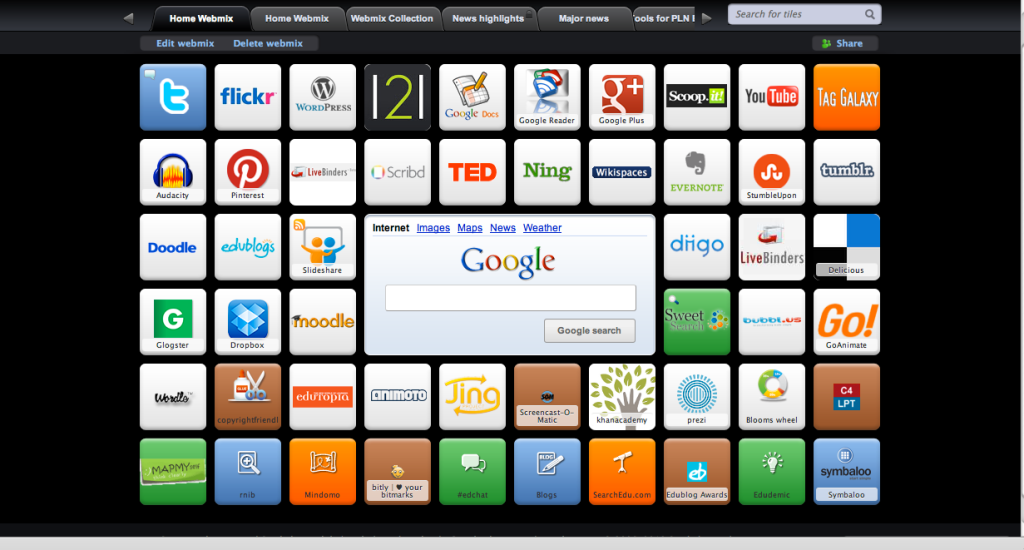
Progress Report for PLN
C4K's for September

Canberra Mint by:Maggie This blog was about an exciting trip to Canberra Mint. When speaking of the topic she asks the question,"why on earth would it be called a mint?". She then explains the answer, and actually teaches me something, which I always enjoy. Here is my comment Maggie, Hello, my name is Miriah Grantham and I am a student in EDM 310 at the University of South Alabama in Mobile, Alabama, USA. I really enjoyed your post! I also found this information so interesting :) Thanks for teaching me something. Keep posting, your blog is great! http://granthammiriahedm310.blogspot.com/
Weekly Reflection by:Toma This blog contained a lot of sentences, and short statements. Naturally, I picked the one that stood out most to me. It read, "This week I have learned to be the best that i can be Next week I want to learn to do my maths faster".Here is my commentToma, My name is Miriah Grantham and I am a student in EDM310 at the University of South Alabama in Mobile, Alabama, USA. I just wanted to say that there is nothing better than being the best that you can be; you should always be yourself! I smiled while reading that sentence, because it inspires me, so thank you. Also, I am impressed that you set goals for yourself. I am sure you will be doing your math faster next week! Great post, Toma!
How much does the sky weigh? by: Mckenzie This week, all of the students were asked to make a post answering the question, "How much does the sky weigh?". My student was short, but to the point. She answered the question and also threw in a few details, teaching me something in the process. Here is my commentMcKenzie, My name is Miriah Grantham. I am an EDM310 student at the University of South Alabama in Mobile, Al, USA. I wanted you to know that I really like how you answered the question directly, as well as adding in some extra details about the topic. I am very thankful that you taught me something i did not know, that is always fun. Great Post!
Project #13
.JPG)
Lesson Plan #1 Created by: Miriah Grantham and Demetrius Hamner for Project #13
Above is a link to my Project Overview. This is a lesson plan on a Science Project called Insect Investigation. Students gather their information by identifying strange insects in a mini-investigation. They are to present their finding to the classmates and the rest of the school. This is targeted for 1st grade students and it takes about two – one hour sessions to complete. This plan covers many 21st-Century standards as well.
Link for my Project Calendar
Link for my Essential Elements Checklist
Friday, October 4, 2013
Blog Post #7
Project-Based Learning Part-1
Experiences of a Third Grade Teacher
In Project-Based Learning Part 1, Dr. Strange and Anthony Capps discuss the usage of project-based learning. Anthony Capps is a former student of EDM310 and is now a teacher in Baldwin County. Projects were once viewed as something you did at the end of a lesson to show what you had learned. Now, they are viewed as a way of teaching the material. Project-based learning is when you use actual projects to help students learn their objectives. Projects shouldn't just be used to reinforce what you have learned, but it should be a tool to learn. One example that Anthony gave us was a letter that his students wrote to Congressman Jo Bohner. He explained that each student wrote an individual letter and peer reviewed each one of their fellow classmates letters. They then picked the eight best letters and mailed them. This was a great way to show the importance of peer editing, collaboration, and project-based learning, which are very important tools to bring to the education system.
Project-Based Learning Part-2
This video gave great insight on all aspects of a classroom. As a teacher not every parent or student will agree with your choice of teaching, and we have to expect that. There are no limits to learning, so we should never limit our students. Always encourage them to go above and beyond. Project-based learning is a great tool for students of all levels. Simple projects such as writing a narrative script can be useful in retaining information about certain subjects. Students have fun while they learn, and they actually want to learn the material. I think that students will be more eager to learn if the learning process presented is engaging for them. Project-based learning is just that. Students are learning to think for themselves. It’s like you’re handing them a lemon, and they make amazing lemonade out of it.>
iCurio
In the video, iCurio, Anthony talks about what iCurio is. iCurio is a great tool for students to use and help them stay organized. Students can use iCurio to search websites that have been filtered for educational purposes. Students look up information on the internet all the time, but most of the time we forget where we got our information from. iCurio puts a stop to this, because it is a great way to retain information about the subjects we searched for. iCurio is a great program for students, because it will give them acceptable results when they search for information, and it is safe and secure. iCurio is also a great way to find course standard related topics.
Discovery Education
In Discovery Education, we learn what Discovery Education is and why it is useful. Discovery Education is used for student searches, and teachers can use it to find fascinating videos that correlate to their lesson. Anthony says that by giving a child a video that goes along with their text, they are retaining a lot more information. Visual demonstrations help students retain the information. One of us has actually seen this program being used by one of our mentor teachers. She used interactive models, songs, and stories to help explain her lesson. The kids responded very well to this. This is definitely something we could benefit from in the classroom setting.
The Anthony-Strange Tips for Teaching-Miriah G.
In this video, Dr. Strange talks to Anthony Capps, once again. He just finished his first year of teaching third grade at Gulf Shores Elementary School in Baldwin County.They both discuss the things that we as educators should prepare ourselves for when we become a teacher. They both give great tips such as: We must constantly learn and model that behavior, be flexible, and get your student engaged. The one that stands out to me most is, “It is hard work, but it can be fun if we let it be fun.” This is an statement I completely agree with. While observing classrooms for my other classes, I have seen all the work that goes into being a teacher. I have heard a lot of people say that teachers just sit there and do nothing when their students are not there( for example, when they are in P.E. or at lunch), and I have personally seen that is not true. They are preparing for the student to come back, grading papers, rearranging the classroom, etc. This requires a lot of creativity, which is where the fun part comes in. Both Dr. Strange and Anthony Capps gave us some good tips to bring with us to the Teaching Field.
Additional Thoughts about Lessons-Demetrius H.
Anthony tells us about the components of a lesson. Looking at a plan, we must break it down into yearly, monthly, weekly and daily. There are a few questions we should ask ourselves when constructing a project for our students. Is this project meaningful?Will it cover the material needed to be learned? Can this project get my students’ attention? Will I be able to meet all of my goals? What can I do to measure their progress? Creating projects for a lesson plan is hard work, and it is not to be rushed. As a teacher, we should take our time and do it the right way.
Use of Tech. Don't Teach it- Michelle D In Use Technology- Don’t Teach It, Dr. Strange and Anthony talk about how to use technology in the classroom. Anthony tells us not to teach technology but to use it for assignments. Students in this century have the ability to learn how to use technology on their own. We learned this in the beginning of the course when we watched Dr. Mitra give children in third world countries computers, and they quickly taught themselves how to properly use them. Technology is something that children now are very familiar with. Most of them could probably teach adults a few tricks. As a teacher, I would much rather use technology than paper supplies. Technology is free. Students who may not be able to afford paper supplies can definitely benefit by the classroom technology. They have a vast variety of different tools to use. It’s beneficial because they are learning the course objectives and learning to use those tools. We can show them how to do it, but we should let them teach themselves with their assignments. Students will be proud of what they have accomplished, and we will be proud that they have learned a new skill!
In Project-Based Learning Part 1, Dr. Strange and Anthony Capps discuss the usage of project-based learning. Anthony Capps is a former student of EDM310 and is now a teacher in Baldwin County. Projects were once viewed as something you did at the end of a lesson to show what you had learned. Now, they are viewed as a way of teaching the material. Project-based learning is when you use actual projects to help students learn their objectives. Projects shouldn't just be used to reinforce what you have learned, but it should be a tool to learn. One example that Anthony gave us was a letter that his students wrote to Congressman Jo Bohner. He explained that each student wrote an individual letter and peer reviewed each one of their fellow classmates letters. They then picked the eight best letters and mailed them. This was a great way to show the importance of peer editing, collaboration, and project-based learning, which are very important tools to bring to the education system.

Project-Based Learning Part-2
This video gave great insight on all aspects of a classroom. As a teacher not every parent or student will agree with your choice of teaching, and we have to expect that. There are no limits to learning, so we should never limit our students. Always encourage them to go above and beyond. Project-based learning is a great tool for students of all levels. Simple projects such as writing a narrative script can be useful in retaining information about certain subjects. Students have fun while they learn, and they actually want to learn the material. I think that students will be more eager to learn if the learning process presented is engaging for them. Project-based learning is just that. Students are learning to think for themselves. It’s like you’re handing them a lemon, and they make amazing lemonade out of it.>
iCurio
In the video, iCurio, Anthony talks about what iCurio is. iCurio is a great tool for students to use and help them stay organized. Students can use iCurio to search websites that have been filtered for educational purposes. Students look up information on the internet all the time, but most of the time we forget where we got our information from. iCurio puts a stop to this, because it is a great way to retain information about the subjects we searched for. iCurio is a great program for students, because it will give them acceptable results when they search for information, and it is safe and secure. iCurio is also a great way to find course standard related topics.

Discovery Education
In Discovery Education, we learn what Discovery Education is and why it is useful. Discovery Education is used for student searches, and teachers can use it to find fascinating videos that correlate to their lesson. Anthony says that by giving a child a video that goes along with their text, they are retaining a lot more information. Visual demonstrations help students retain the information. One of us has actually seen this program being used by one of our mentor teachers. She used interactive models, songs, and stories to help explain her lesson. The kids responded very well to this. This is definitely something we could benefit from in the classroom setting.

The Anthony-Strange Tips for Teaching-Miriah G.
In this video, Dr. Strange talks to Anthony Capps, once again. He just finished his first year of teaching third grade at Gulf Shores Elementary School in Baldwin County.They both discuss the things that we as educators should prepare ourselves for when we become a teacher. They both give great tips such as: We must constantly learn and model that behavior, be flexible, and get your student engaged. The one that stands out to me most is, “It is hard work, but it can be fun if we let it be fun.” This is an statement I completely agree with.

Additional Thoughts about Lessons-Demetrius H.
Anthony tells us about the components of a lesson. Looking at a plan, we

Use of Tech. Don't Teach it- Michelle D In Use Technology- Don’t Teach It, Dr. Strange and Anthony talk about how to use technology in the classroom. Anthony tells us not to teach technology but to use it for assignments. Students in this century have the ability to learn how to use technology on their own. We learned this in the beginning of the course when we watched Dr. Mitra give children in third world countries computers, and they quickly taught themselves how to properly use them. Technology is something that children now are very familiar with.

Sunday, September 29, 2013
Blog Post #6

In Joanne Chesley's video, She explains that opened ended questions are a lot more effective than closed ended questions. This allows the students to engage in discussion and better expand their mind on the material. A close-ended question allows the student to answer with a quick "yes" or "no", which can easily be a guess, so they are not learning as well. She has also mentioned that students are rather unresponsive in discussion without the open ended questions. Ben Johnson brings up a good point in his blog post: "as teachers, we really do not know everything", and he is correct! We need to let the students discuss their answer and their thoughts on how they came up with it. This creates a ripple effect which causes more students to get engaged in the material, and makes them more comfortable. So, when it comes down to asking questions in your classroom, I think it would be very wise to use the "three ways" provided by Martellen Weimer. Prepare Questions While creating or going over your lesson plans, think of ways to include all students in class discussion. Play with Questions. Leave your question unanswered for a while to see what your students come up with. Preserve good Questions Good questions can be kept, hold on to the ones that received great results. I believe that by using the tips and techniques listed above, we can steer away from the unwanted teaching style that many have encountered, and open a new way of teaching,that leads to better futures for our students!
Sunday, September 22, 2013
Sunday, September 15, 2013
C4T 1&2
I was assigned dmlcentral for my required C4T's.
C4T #1 The first post I read was titled "Teaching Surveillance". This was about a teacher explaining to his student what digital tolls they would be using throughout the semester, and correct ways to keep them protected. One example he gives is "dropbox", saying that although it is useful, the company gives itself access to user files, so your material is not always "safe". He strongly encourages his students to back up their data. He explains that he wants to inform his students about all of the potential threats in digital media. Here is the comment I left him: Hello, my name is Miriah Grantham. I am an Elementary education student at the University of South Alabama in Mobile, Alabama. I was assigned your blog for my EDM310 class, and it is very interesting to me. I like how you inform your students about the "safety" of their online documents. It always thrills me to read a blog and learn something in the process; You have just taught me things I had no idea about! I look forward to reading more of your posts.
C4T #2 This post was titled "Using Social Media for Women's Rights". This was about helping to protect women like a 23 year old Indian girl who was murdered due to sexual assault. Radhika Takru(manager of social media in Breakthrough, India) started a twitter account to get her voice out in the world about women's rights.She explains that social media is a very successful way to promote organizations to make the world better. Here's my comment:Hello! My name is Miriah Grantham. I was assigned your blog for my EDM310 class at the University of South Alabama in Mobile, Al, USA. As I was reading your post, I stopped to follow @Bell_Bajao on Twitter, so I could be able to see this work for myself. What is taking place here is phenomenal. Using social media for women's rights is a fantastic idea, and a great way to support women like the 23-year-old physiotherapy student you mentioned. Being a woman myself, I really enjoyed your post.
C4T #1 The first post I read was titled "Teaching Surveillance". This was about a teacher explaining to his student what digital tolls they would be using throughout the semester, and correct ways to keep them protected. One example he gives is "dropbox", saying that although it is useful, the company gives itself access to user files, so your material is not always "safe". He strongly encourages his students to back up their data. He explains that he wants to inform his students about all of the potential threats in digital media. Here is the comment I left him: Hello, my name is Miriah Grantham. I am an Elementary education student at the University of South Alabama in Mobile, Alabama. I was assigned your blog for my EDM310 class, and it is very interesting to me. I like how you inform your students about the "safety" of their online documents. It always thrills me to read a blog and learn something in the process; You have just taught me things I had no idea about! I look forward to reading more of your posts.
C4T #2 This post was titled "Using Social Media for Women's Rights". This was about helping to protect women like a 23 year old Indian girl who was murdered due to sexual assault. Radhika Takru(manager of social media in Breakthrough, India) started a twitter account to get her voice out in the world about women's rights.She explains that social media is a very successful way to promote organizations to make the world better. Here's my comment:Hello! My name is Miriah Grantham. I was assigned your blog for my EDM310 class at the University of South Alabama in Mobile, Al, USA. As I was reading your post, I stopped to follow @Bell_Bajao on Twitter, so I could be able to see this work for myself. What is taking place here is phenomenal. Using social media for women's rights is a fantastic idea, and a great way to support women like the 23-year-old physiotherapy student you mentioned. Being a woman myself, I really enjoyed your post.
Blog Post #4
Podcasting with First Graders
This post was about a first grade classroom making a podcast on the book they were reading. All of the studenst would take turns recording their voices reading a story,and help the teacher edit their readings afterwards. The children really began to come out of their shells by acting out the book and adding expression to their voices. After all the students recorded their voices, they were very eager to hear the whole podcast put together. I think this was a fantastic idea by this amazing teacher. This allowed the students to gain listening and speech skills as well as social skills and boosting their self esteem. I would have never guessed that a first grade classroom would cooperate so much, and this definitely proved me wrong. This is something I am now considering doing in my future classroom.
The Benefits of Podcasting in the Classroom
In this video,we learned about some ways that podcasting could benefit your classroom. One of the examples was a teacher posting his lectures on iTunes. They used a little girl at home sick for an example. The little girl tells her mother that she has an important test the next day, and does not want to miss the review, but the mother insists she stay home. Luckily, the girl was able to listen to her teachers' podcast and hear everything her classmates heard to be prepared for the test. Another way podcasting is benefical is by integrating it in your lessons. We are shown a video where a teacher is giving his normal lecture about a slave when all of a sudden a voice of an older lady surrounds the classroom and the students were able to fell her emotion. At the end of the video, students talked about podcasting in a very positive way, saying they like it and it keeps them interested. The principal of the school then mentions that it is wonderful for "project-based learning", and I agree.
Listening-Comprehension-Podcasting
In this post, students work together to make a podcast for the story of Purim. A Jewish teacher helped the students write their own parts in Hebrew to create a script. After recording individual parts, the students worked together to put the lines in the correct order to complete the story. Not only did they learn how to make an edit a podcast, they learned several personal skills as well. Such as, Listening, comprehension, speaking, and critical thinking, which is what this assignment was about. By having the students make and edit the podcast, they were using their brains to learn something they have never done before. This showed me that not only are podcasts useful in the classroom, they also help the children learn.
This post was about a first grade classroom making a podcast on the book they were reading. All of the studenst would take turns recording their voices reading a story,and help the teacher edit their readings afterwards. The children really began to come out of their shells by acting out the book

The Benefits of Podcasting in the Classroom
In this video,we learned about some ways that podcasting could benefit your classroom. One of the examples was a teacher posting his lectures on iTunes. They used a little girl at home sick for an example.

Listening-Comprehension-Podcasting
In this post, students work together to make a podcast for the story of Purim. A Jewish teacher helped the students write their own parts in Hebrew to create a script. After recording individual parts, the students worked together to put the lines in the correct order to complete the story. Not only did they learn how to make an edit a podcast, they learned several personal skills as well. Such as, Listening, comprehension, speaking, and critical thinking, which is what this assignment was about. By having the students make and edit the podcast, they were using their brains to learn something they have never done before. This showed me that not only are podcasts useful in the classroom, they also help the children learn.

Sunday, September 8, 2013
Blog Post #3
Peer editing is a great way to improve yours or another person's work. Your peers are surrounding you; they are the ones that are the same age as you, usually in your class. After looking at the Peer editing tutorial,I now know how to properly edit the writing of my peers. I know that I always need to stay positive, give complements, and make suggestions for corrections politely. Now that I've watched the humorous video, Writing Peer Review TOP 10 mistakes, I know not only how NOT to give feedback, but also how NOT to receive the feedback. No one wants a Picky Patty or a Whatever William! Both of these assignments were very insightful and are something that I believe every teacher needs to know. Teaching this to our students will make them better writers!
 While reading the blogs of my peers,I realized that they both have good blogs thus far. If i were to find a minor error, I would maybe announce it. If I were to find the error continuously repeated, I would email or text said peer. Peer editing is much different than editing the work of your students, because these are college students who are the same age as you, so the feeling of not wanting to offend, is increased. I believe that it is more appropriate at this time to tell your peers in a more private way, since we are so close to becoming professionals. However, I do not think you should ever not tell your peers about this mistake because all you are truly doing is helping their work, and it is appreciated.


Sunday, September 1, 2013
Blog Post #2
Professor Dancealot By:Miriah Grantham, Michelle Detar, and Demetrius Hamner
Professor Dancealot is an entertaining short movie about a professor that teaches but doesn't let the students interact in the classroom. This movie shows how a lot of professors work now days. This very much confused me because when teaching any class you should allow your students to put into action what was explained. I think it is impossible for a student to learn anything without actually attempting it on their own. How can someone learn something if they only hear how to do it? This is the kind of teaching that we as educators need to avoid. This teaching method, as we can see, is completely ineffective. When teaching your class, you should allow them to think for themselves and try things out so they can actually get a good grasp on it. This was a funny but sadly true movie on the downfalls of certain ways of teaching.
Harness Your Students' Digital Smarts By:Miriah Grantham
The video, Harness Your Students’ Digital Smarts, found on edutopia, is yet another video that has seemed to amaze me. So many teachers, and just people in general, underestimate how smart these students really are. Vicky Davis is a very inspiring teacher that allows the students to brainstorm and find the answers themselves. She unexpectedly throws out new terms to her class and expects them to find the definition themselves, which they successfully do. Three days into their internet project, her class was teaching her how to do things that she did not not how to do. The students really enjoyed the project, and they felt empowered when they used their own minds to find the answers. This inspired them to get involved with digi teen, which was an internet site where students all over the world would post blogs and videos and share them amongst each other. This is another example of how important technology is in a classroom. Like Mrs. Davis said, not every child can learn with a pencil and paper.
Teaching in the 21st Century by: Michelle Detar
In this Prezi turned video, Teaching in the 21st Century, some questions are aroused to make us think about what it means to teach in this day and age. Right now, we have so much technology available to us and very few know how to actually use it. Students have endless amounts of resources at their fingertips. Without us, the teachers, how can they know what is useful or not? Teaching in the 21st century means having to be current with our knowledge on different ways to use technology as a teaching tool. It is up to us to teach them that sites like Wikipedia is unreliable when it comes to research, to show them how to properly utilize Google and all its functions, to teach them that Twitter and Facebook are not only their for entertainment, but can also be used for engaging educational purposes, and so much more. To teach in the 21st century, one must be technologically literate. Because of technology, future educators will have to know how to incorporate all forms of technology into their classroom. As technology changes and time progresses, so will teaching.
The Networked Student By:Demetrius Hamner
In the video, The Networked Student by Wendy Drexler, a lot of information is given on this particular “networked” student.This video, going into great detail on just how well connected this student is, amazes me on how well he uses all of his resources. Even though he doesn't have class as often. or a book, he utilizes the internet very well when completing his assignments. Connectivism, a theory that presumes that learning occurs as part of a social of many diverse connections and ties, is what his teacher goes by. Before watching this video I had never heard of this term, but in a way it put me in the mind of EDM310 since we are basically being taught in the same manner. In my opinion, every student needs a teacher/professor at some point. Guidance is always needed, because, as a student, we are still learning. There is no way that we as students could completely do it ourselves. If we could learn everything on our own then what would be the point of us being in school? Exactly, there would be no point. The networked student’s teacher is there to be many things to her student: a learning architect, modeler, learning concierge, connected learning incubator, network sherpa, synthesizer, and change agent. All of which are very important.
Without the teacher/professor being there for the student, there would be no way that he could do it alone. Her guidance was the key to all of the success he had as a networked student. Being able to build his own trail with reliable information isn’t something he learned to do overnight, it took time. This was a very informative video, and it gave good insight on the many ways this student stayed connected. Over time he would be able to build his successful, making his teacher very proud.
In my opinion, every student needs a teacher/professor at some point. Guidance is always needed, because, as a student, we are still learning. There is no way that we as students could completely do it ourselves. If we could learn everything on our own then what would be the point of us being in school? Exactly, there would be no point. The networked student’s teacher is there to be many things to her student: a learning architect, modeler, learning concierge, connected learning incubator, network sherpa, synthesizer, and change agent. All of which are very important.
Without the teacher/professor being there for the student, there would be no way that he could do it alone. Her guidance was the key to all of the success he had as a networked student. Being able to build his own trail with reliable information isn’t something he learned to do overnight, it took time. This was a very informative video, and it gave good insight on the many ways this student stayed connected. Over time he would be able to build his successful, making his teacher very proud.
Professor Dancealot is an entertaining short movie about a professor that teaches but doesn't let the students interact in the classroom.

Harness Your Students' Digital Smarts By:Miriah Grantham
The video, Harness Your Students’ Digital Smarts, found on edutopia, is yet another video that has seemed to amaze me. So many teachers, and just people in general, underestimate how smart these students really are.

Teaching in the 21st Century by: Michelle Detar
In this Prezi turned video, Teaching in the 21st Century, some questions are aroused to make us think about what it means to teach in this day and age. Right now, we have so much technology available to us and very few know how to actually use it. Students have endless amounts of resources at their fingertips. Without us, the teachers, how can they know what is useful or not?

The Networked Student By:Demetrius Hamner
In the video, The Networked Student by Wendy Drexler, a lot of information is given on this particular “networked” student.This video, going into great detail on just how well connected this student is, amazes me on how well he uses all of his resources. Even though he doesn't have class as often. or a book, he utilizes the internet very well when completing his assignments. Connectivism, a theory that presumes that learning occurs as part of a social of many diverse connections and ties, is what his teacher goes by. Before watching this video I had never heard of this term, but in a way it put me in the mind of EDM310 since we are basically being taught in the same manner.

Friday, August 23, 2013
Blog Post 1

What I Want My Students to Know:
I want my students to know that they are important, regardless of how small they are. I want them to know that it doesn't matter if they are a different sex, age, race, or from a different financial background than the person next to them, they are the future, and they will be encouraged to be whatever they felt they can be. I want my students to have confidence in themselves.

I Want My Students to be Able to:
I want my students to be able to interact with their peers, and never give into peer pressure. I want my students to be able to use their minds to do math, english, history, etc., without relying on a machine to do it for them. I want my students to be able to use any form of technology confidently. Most importantly, I want my students to be able to be who they want to be, and never be afraid of that.
What tools i will use:
With my students, i will use Markers, Boards, iPads, Computers, SmartBoards, Crayons, Games, books, anything goes. I want my students to know how to learn by using anything, while being encouraged to be creative. I will also use emotions as a tool, I want to make sure my students know that someone is always proud of them.
What Role My Students will Play:

Thursday, August 22, 2013
Practice Blog Post
Hello,my name is Miriah Grantham. Well, Harris now, because I am recently married. I am 20 years old and I am an elementary education major at USA. I just changed my major from Nursing in the Spring because I knew being an educator is what I really wanted to do with my life. I have lived in this area pretty much my whole life, and I recently bought my first house in mobile with my husband and step-daughter. I absolutely love art, whether it's in fashion, drawing, photography, film, etc. it doesn't matter!I'm constantly doodling or falling in love with something covered in glitter(My husband says i'm like a fish, because anything shiny gets my attention). My big sister is one of my favorite people in the world and she is also an elementary education major at South, exactly one year behind me. Whenever i have spare time around my hectic school schedules, I love to be on the water. Me and my family take out the boat and jet skis and stay out for hours! I am also a Disney fanatic, I love everything about it. I can carry on a conversation with a child about anything to do with Disney,and know exactly what they are talking about. I have also been to Disney World six times, and plan on going back this Christmas. I absolutely love children, mostly because I feel like a big kid at heart. I have been a nanny and a teacher at a daycare, and I can't wait until I have my own classroom. I am beyond excited to become an educator! 

Tuesday, August 20, 2013
My Test Post Title
This is my first post. I clicked the HTML button which i should always do in EDM310. I am now a blogger!
Subscribe to:
Posts (Atom)